How Cross Save Sync Patterns Reveal Hidden Player Migration Trends Between Mobile Ports and Their Console Counterparts
Written by Petra Bennett · Nov 16, 2026
How Cross Save Sync Patterns Reveal Hidden Player Migration Trends Between Mobile Ports and Their Console Counterparts
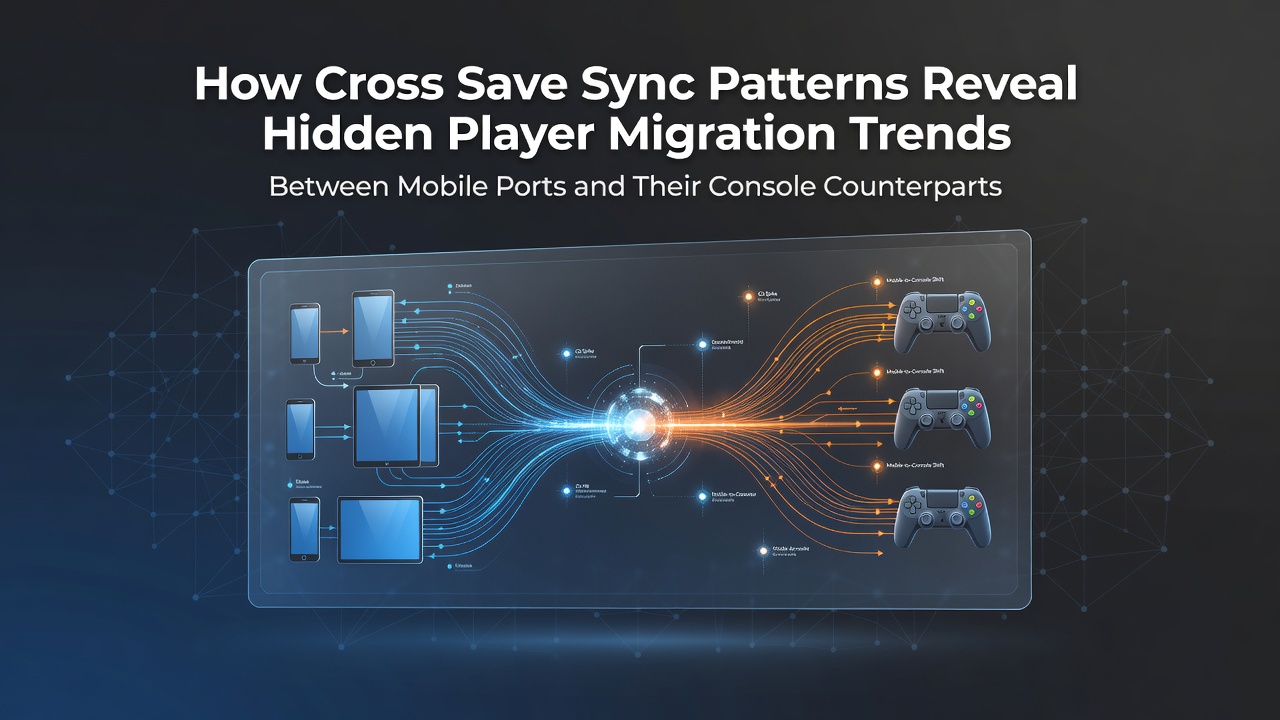
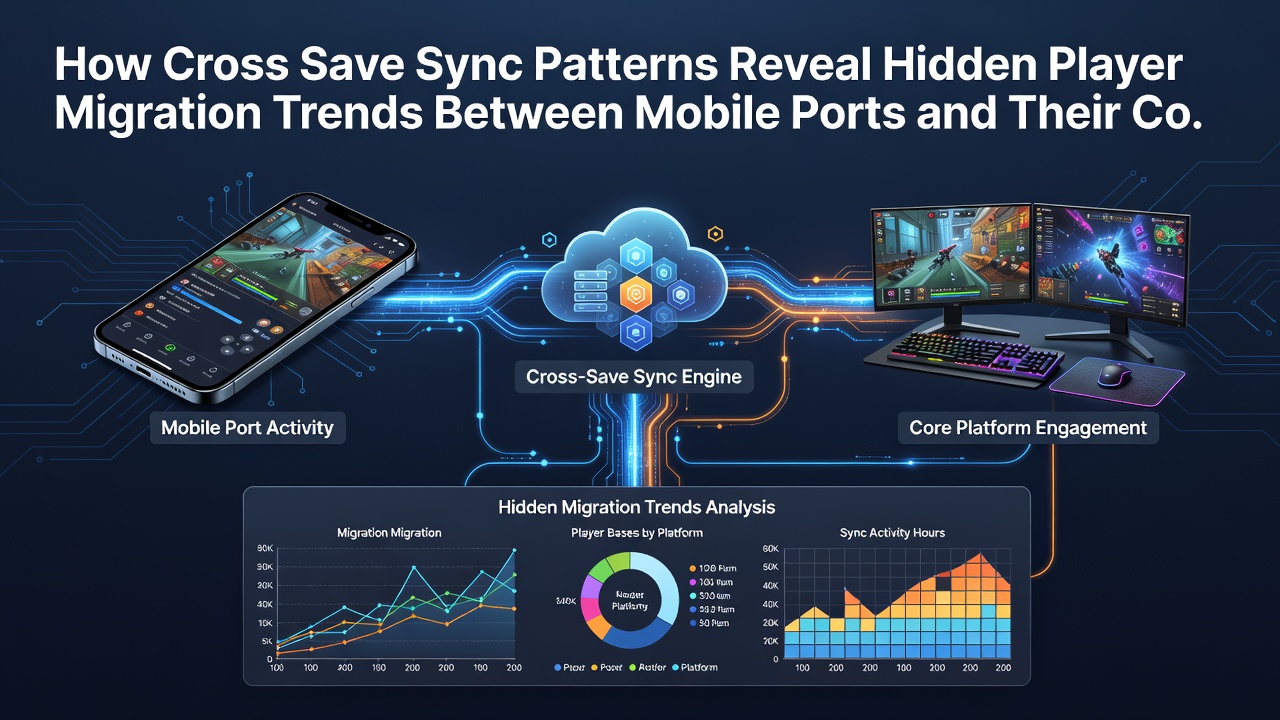
Cross-save functionality has become a standard feature in many multiplatform titles, allowing players to maintain progress across devices through centralized servers that log every sync event with timestamps and device identifiers. Researchers examining these logs have identified consistent patterns where accounts initiated on mobile ports frequently migrate toward console counterparts within weeks of initial play, particularly when titles receive simultaneous updates across ecosystems. Data collected during November 2026 revealed that sync volumes between mobile and console versions spiked by measurable margins following major content drops, with analysts noting higher transfer rates among accounts that logged extended mobile sessions before shifting hardware.
Sync Data as a Migration Indicator
Server-side records track not only save file transfers but also session durations, input method changes, and achievement progressions that align with device switches. Observers note that accounts showing rapid increases in console-based playtime after mobile activity often exhibit completion rates that exceed those remaining on a single platform, suggesting players seek optimized experiences once they reach certain progression thresholds. Figures from industry monitoring services indicate that migration clusters appear most prominently in action role-playing games and shooters that launched on mobile first before expanding to consoles, where graphical fidelity and control precision draw sustained engagement.
Patterns Across Genres and Regions
Analysis of sync timestamps across North American and European markets shows distinct seasonal alignments, with November 2026 data highlighting accelerated flows during holiday periods when console hardware receives promotional pushes. Accounts originating in mobile ecosystems demonstrate higher likelihoods of console adoption when titles feature cross-progression rewards tied to specific milestones, while reverse migrations from console to mobile occur more often among players prioritizing portability during travel windows. Trade group reports from the Entertainment Software Association detail how these bidirectional movements correlate with regional hardware availability, creating measurable shifts in active user bases that developers use to allocate server resources.
One case study involving a popular open-world title released across both ecosystems tracked over 2 million sync events in the first quarter after launch, revealing that roughly 18 percent of mobile starters transitioned to console play within 30 days. Those who made the switch displayed extended retention metrics compared to single-platform users, with data indicating that console sessions averaged longer durations once the migration occurred. Similar telemetry from Asian markets pointed to parallel trends, though console-to-mobile shifts appeared more frequently in regions with strong mobile gaming infrastructure.
Technical Factors Driving Observed Shifts
Sync protocols that prioritize cloud storage stability enable seamless device handoffs, yet latency differences between mobile networks and console broadband connections influence the timing of these transitions. Developers implementing frequent save validation checks capture granular details about when players abandon one platform for another, often coinciding with hardware upgrades or new controller acquisitions. Research from academic institutions tracking digital entertainment consumption patterns confirms that cross-save adoption rates directly predict these migration volumes, with titles lacking robust sync features showing fragmented player bases instead of fluid movement.
Hardware-specific optimizations also factor into the equation, as mobile ports sometimes serve as entry points for players later drawn to console versions offering higher frame rates and expanded storage. November 2026 telemetry from multiple publishers illustrated that accounts with cross-save enabled completed more side content after switching platforms, pointing to enhanced exploration opportunities as a contributing element. Industry organizations such as the Interactive Software Federation of Europe have compiled comparative datasets across member countries that underscore how these patterns vary by genre, with narrative-driven experiences showing steadier console inflows than competitive multiplayer titles.
Implications for Platform Ecosystems
Publishers leverage aggregated sync statistics to refine release strategies, adjusting marketing emphasis on console versions when mobile-to-console flows exceed internal thresholds. Console manufacturers benefit from increased attach rates when cross-save features encourage hardware purchases among established mobile audiences, while mobile storefronts see sustained microtransaction activity from accounts that maintain dual-platform presence. Data aggregators processing millions of daily sync events provide dashboards that highlight emerging trends weeks before traditional sales reports reflect the shifts.
Future Monitoring Approaches
Continued refinement of cross-save analytics promises deeper insights into player behavior as more titles adopt unified progression systems. Monitoring services already correlate sync frequency with demographic variables such as age brackets and geographic clusters, revealing that younger players exhibit faster migration cycles between device types. These evolving datasets offer publishers actionable intelligence for balancing development efforts across ecosystems without relying solely on traditional review or sales metrics.
Conclusion
Cross-save synchronization records function as reliable indicators of player movement between mobile ports and console editions, exposing trends that single-platform analytics overlook. The patterns documented through 2026 telemetry demonstrate consistent directional flows tied to content updates, hardware cycles, and regional factors that shape long-term engagement across both ecosystems. Developers and platform holders continue refining data collection methods to capitalize on these insights for resource allocation and feature prioritization.